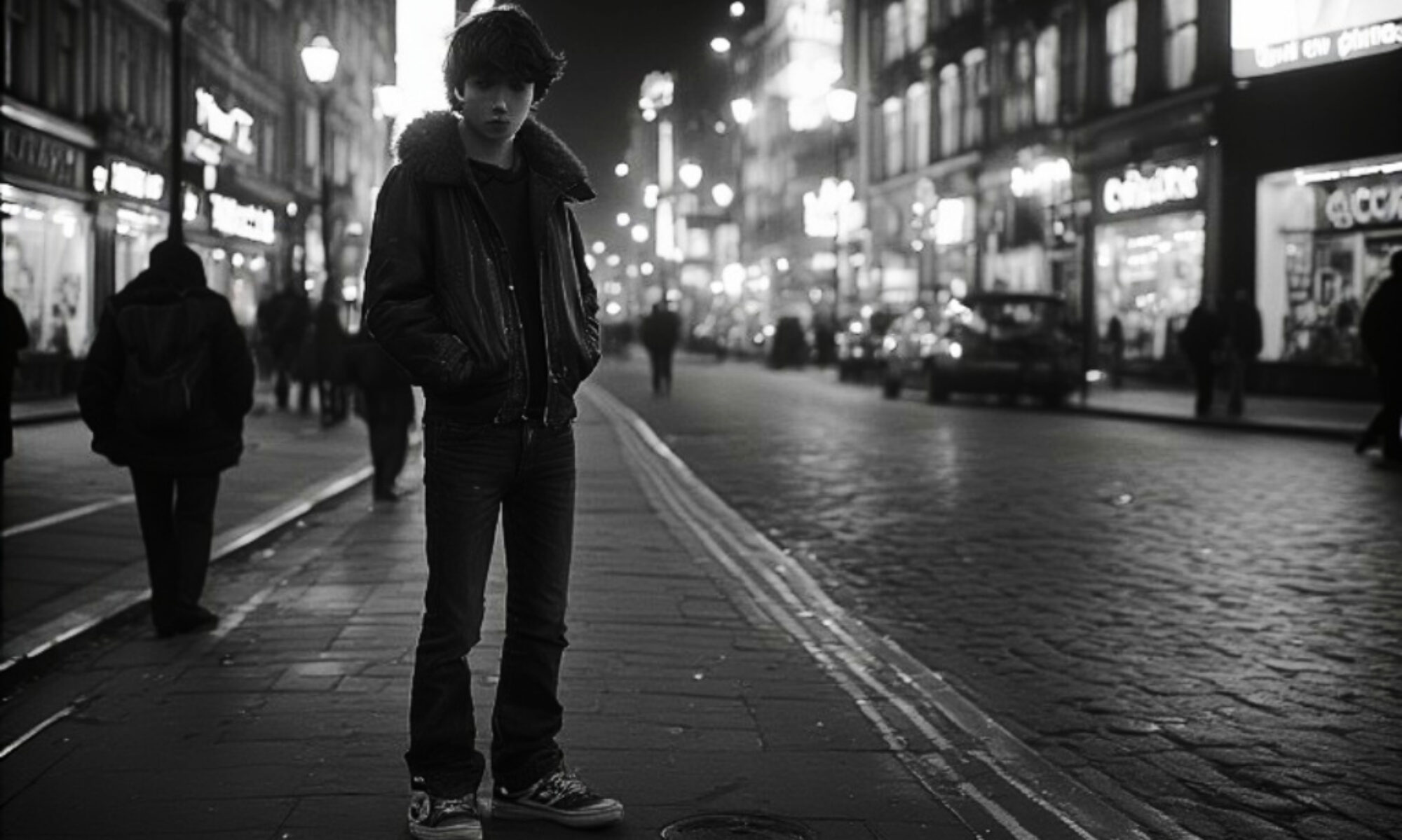
Mark 14: 51- 52
51. A young man, wearing nothing but a linen garment, was following Jesus. When they seized him, 52. he fled naked, leaving his garment behind.
The young man in Mark’s arrest scene feels, to me, like more than a passing extra: he is anonymous, half-clothed, seized, I assume he was raped, and left exposed, which makes him read like someone already living under shame and dispossession. I believe he was a rent boy, which would make this detail land with even greater force, because it becomes a moment of recognition — a life of being used, stripped of humanity, and then suddenly confronted by the possibility that he is not an object at all, but a sacred person. In that light, his flight into the night is not just panic, but more the collapse of a false identity, and Christ’s own refusal to flee becomes the deeper counterpoint: selflessness, suffering, and resurrection opening a space where the forgotten can be seen and restored.
I link this story to Miyamoto Musashi’s statement that we must sometimes descend into confusion to discover the way to enlightenment. The shock of realisation sent the young man fleeing into the night. The outcome might have been enlightenment, I think it had to be, and the young man became the anonymous patron saint of all those reduced to being a piece of meat for hire.